
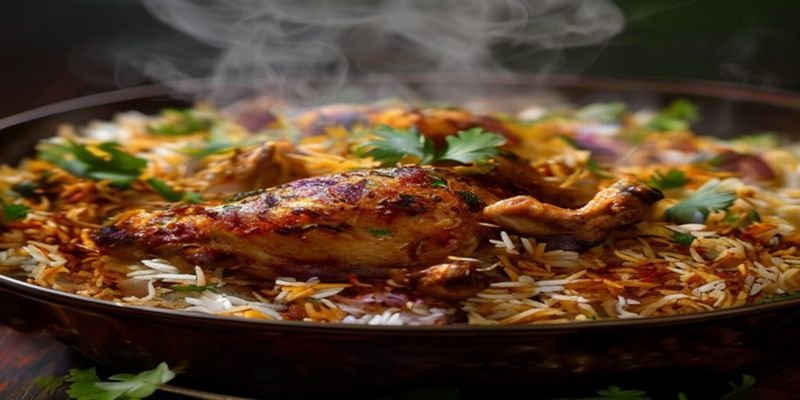
There’s something truly special about recreating a dish at home that transports you to another place. The sizzle of onions in a pan, the fragrant aroma of spices filling the air—it’s a kind of everyday magic. For many, exploring Halal cuisine opens up a world of incredible flavors, from the rich, complex curries of South Asia to the savory grilled meats of the Middle East. But you don’t need to book a flight or even hunt down a specialty restaurant to enjoy it.
The best part? You can bring these amazing tastes right into your own kitchen. Whether you follow a Halal diet or are simply a curious food lover looking to expand your culinary horizons, cooking Halal dishes at home is incredibly rewarding. It’s about more than just food; it’s about tradition, community, and creating something wonderful with your own hands.
Let’s explore a few recipes that are not only packed with flavor but are also surprisingly achievable for the home cook.
What Does “Halal” Mean in the Kitchen?
Before we jump into the recipes, it’s helpful to understand what makes a dish Halal. In simple terms, “Halal” is an Arabic word that means “permissible.” When it comes to food, it refers to what is permissible to eat according to Islamic law.
Most people know that this means avoiding pork and alcohol. But it goes a bit deeper. For meat to be considered Halal, the animal must be raised humanely and slaughtered in a specific, respectful manner (known as Zabihah). This ensures the meat is pure and permissible. It also means being mindful of cross-contamination in the kitchen, using clean utensils and cutting boards for your Halal ingredients.
Sourcing Halal meat is easier than ever. Many local butcher shops are certified Halal, and you can often find a dedicated section in larger supermarkets. When in doubt, just ask!
Recipe 1: Classic Chicken Biryani
Biryani is the undisputed king of celebratory dishes in many cultures. It looks impressive, but the secret is just layering flavors and being patient. This recipe breaks it down into manageable steps. Trust me, the result is worth every second.

What You’ll Need:
- For the Chicken Marinade:
- 2 lbs Halal chicken, cut into pieces
- 1 cup plain yogurt
- 1 tbsp ginger-garlic paste
- 1 tsp turmeric powder
- 1 tsp red chili powder
- 1 tbsp biryani masala powder
- Salt to taste
- Juice of half a lemon
- For the Rice:
- 2 cups long-grain Basmati rice, rinsed and soaked for 30 minutes
- 4-5 whole cloves
- 2-3 green cardamom pods
- 1 bay leaf
- A pinch of saffron soaked in 2 tbsp warm milk
- For Assembly:
- 2 large onions, thinly sliced and fried until golden brown
- A handful of fresh mint leaves, chopped
- A handful of fresh cilantro, chopped
- 2 tbsp ghee or oil
Step-by-Step Instructions:
- Marinate the Chicken: In a large bowl, combine all the marinade ingredients. Add the chicken pieces and mix well to coat everything evenly. Let it marinate for at least an hour, or overnight in the fridge for the best flavor.
- Par-Cook the Rice: Bring a large pot of salted water to a boil. Add the whole spices (cloves, cardamom, bay leaf). Drain the soaked rice and add it to the boiling water. Cook for about 5-7 minutes, until the rice is about 70% cooked. It should still have a slight bite. Drain it immediately and set it aside.
- Cook the Chicken: In a heavy-bottomed pot (the one you’ll build the biryani in), heat the ghee or oil. Add the marinated chicken and cook for 15-20 minutes, until it’s mostly cooked through and the gravy has thickened.
- Layer it Up: Now for the fun part! Sprinkle half of the fried onions, mint, and cilantro over the chicken. Gently layer half of the par-cooked rice on top. Repeat with the remaining onions, herbs, and finally the rest of the rice.
- The Final Touches: Drizzle the saffron-infused milk over the top layer of rice. Cover the pot with a tight-fitting lid. To create a good seal, you can place a clean kitchen towel under the lid.
- Steam (Dum Cooking): Cook on the lowest possible heat for 20-25 minutes. This slow steaming process, called “dum,” is what makes the biryani so fragrant and fluffy. After 25 minutes, turn off the heat and let it rest for another 10 minutes before opening.
- Serve: Gently fluff the rice with a fork, mixing the layers slightly as you serve. Enjoy with a side of cooling raita (yogurt dip).
Recipe 2: Simple Beef Kofta Kebabs
These kebabs are perfect for a weeknight dinner or a weekend barbecue. They are juicy, flavorful, and incredibly easy to make. The blend of spices with the ground beef is just phenomenal.
What You’ll Need:
- 1.5 lbs Halal ground beef (80/20 fat ratio works best)
- 1 medium onion, finely grated
- 3-4 cloves garlic, minced
- 1/4 cup fresh parsley, finely chopped
- 1/4 cup fresh cilantro, finely chopped
- 1 tsp ground cumin
- 1 tsp ground coriander
- 1/2 tsp paprika
- 1/4 tsp cayenne pepper (optional, for a little kick)
- 1 tsp salt
- 1/2 tsp black pepper
- Wooden or metal skewers
Step-by-Step Instructions:
- Prep the Onion: Grate the onion and then squeeze out as much liquid as you can using your hands or a cheesecloth. This is a key step to prevent the koftas from falling apart.
- Mix Everything: In a large bowl, combine the ground beef, squeezed onion, minced garlic, parsley, cilantro, and all the spices.
- Knead the Mixture: Using your hands, knead the mixture for a good 3-5 minutes. This helps the proteins bind together, ensuring the koftas hold their shape on the skewers.
- Shape the Koftas: If using wooden skewers, soak them in water for 30 minutes to prevent burning. Take a portion of the meat mixture and shape it into a long, sausage-like form around the skewer. Repeat until all the mixture is used.
- Cook Them: You can cook these in a few ways.
- On the Grill: Grill over medium-high heat for 8-12 minutes, turning occasionally, until cooked through and nicely charred.
- In a Pan: Heat a little oil in a large skillet or grill pan over medium-high heat. Cook the kebabs for 10-12 minutes, turning to brown all sides.
- Serve: Serve hot with pita bread, a fresh salad, and a dollop of tzatziki or hummus.
Quick Tips for Halal Cooking at Home
Making delicious Halal food is all about good ingredients and a little bit of love. Here are a few things to keep in mind:
- Source with Confidence: Find a local Halal butcher you trust. They can often provide better quality cuts and offer advice on what to buy for specific recipes.
- Read Your Labels: When buying packaged goods, check for Halal certification. This is especially important for things like gelatin, broths, and processed foods, which can contain hidden non-Halal ingredients.
- Alcohol-Free Flavor: Many recipes call for wine or other spirits. You can easily substitute these with non-alcoholic options. For example, use chicken or vegetable broth, a splash of grape juice, or a squeeze of lemon to deglaze a pan.
- Keep it Clean: If you cook both Halal and non-Halal food in your kitchen, use separate cutting boards, knives, and utensils to avoid any cross-contamination.
Common Halal Swaps
| Instead of… | Use… |
|---|---|
| Pork Bacon | Beef or Turkey Bacon |
| Regular Gelatin | Agar-Agar or Fish-Based Gelatin |
| Wine for Deglazing | Chicken/Vegetable Broth or Grape Juice |
| Lard | Ghee, Butter, or Vegetable Oil |
| Vanilla Extract (with alcohol) | Alcohol-Free Vanilla or Vanilla Bean Paste |
Final Thoughts
Cooking is a beautiful way to connect with different cultures and traditions. By trying these Halal recipes, you’re not just making a meal; you’re participating in a rich culinary heritage that spans the globe. Don’t be afraid to experiment with the spices, adjust the heat to your liking, and make these recipes your own. The most important ingredient, after all, is the joy you find in making and sharing good food. Happy cooking